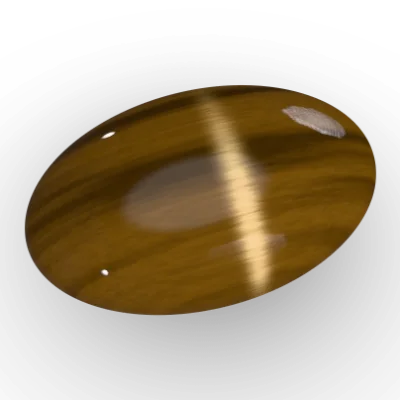
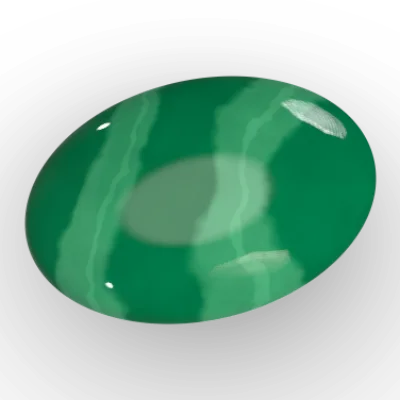
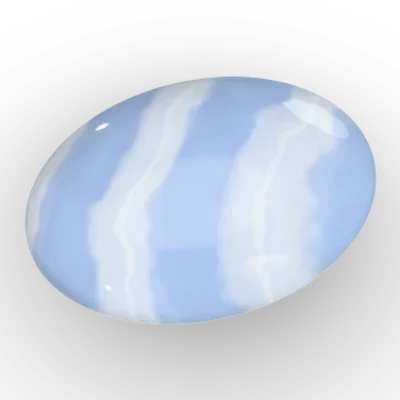
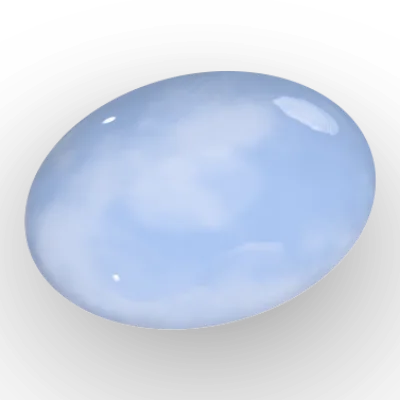
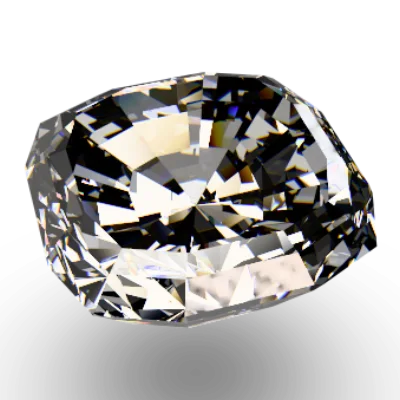
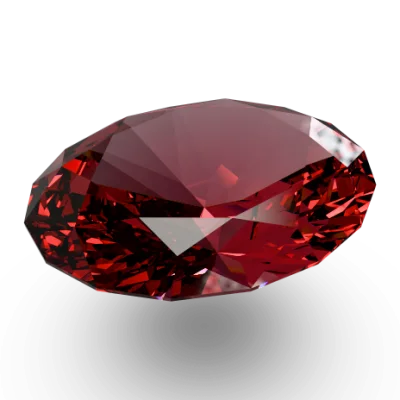
Loading the 3D stone…

Know a gemstone before you buy one.
104 stones, rendered live from their real optics. Turn one, see it cut or as it comes out of the ground, hold it under a UV lamp. Then read what it costs per carat, how to wear it, how to tell it from a fake and what it has meant to people.
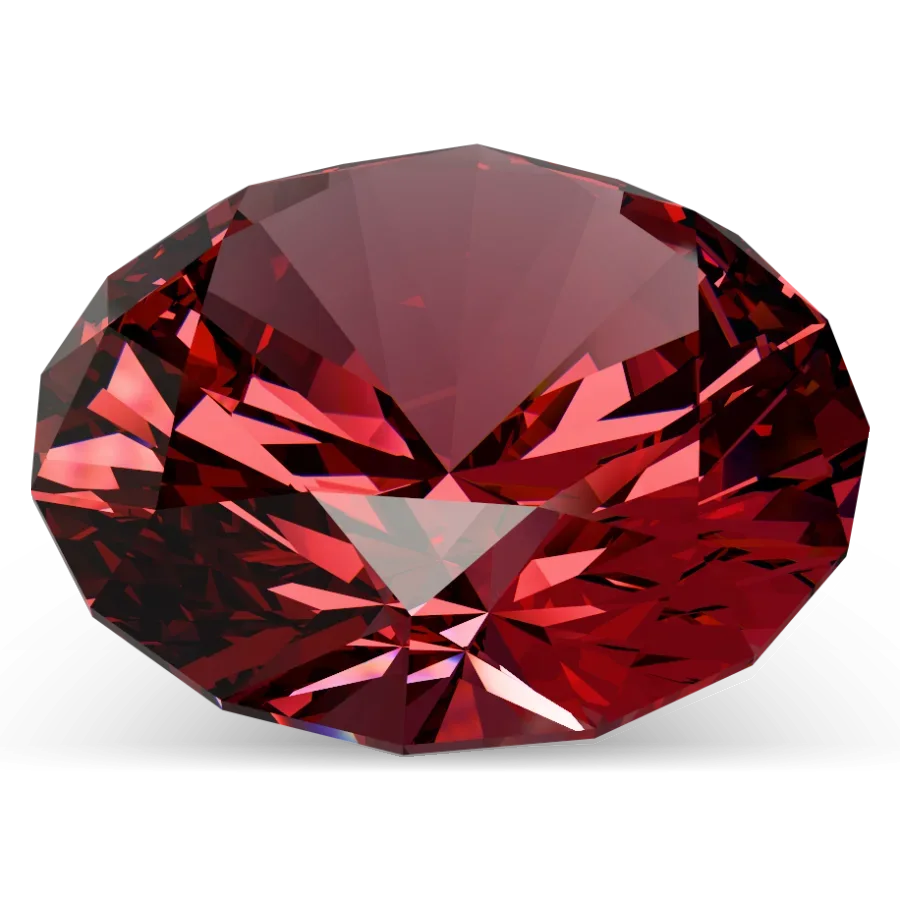
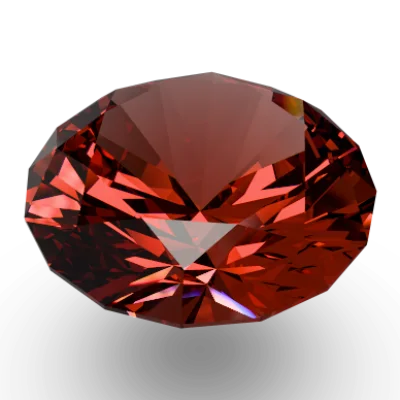
A ruby from Mogok, Myanmar, traced from its optics: a render, not a photograph.
The collection
Shelved by where each stone is mined.
Burma and Southeast Asia6
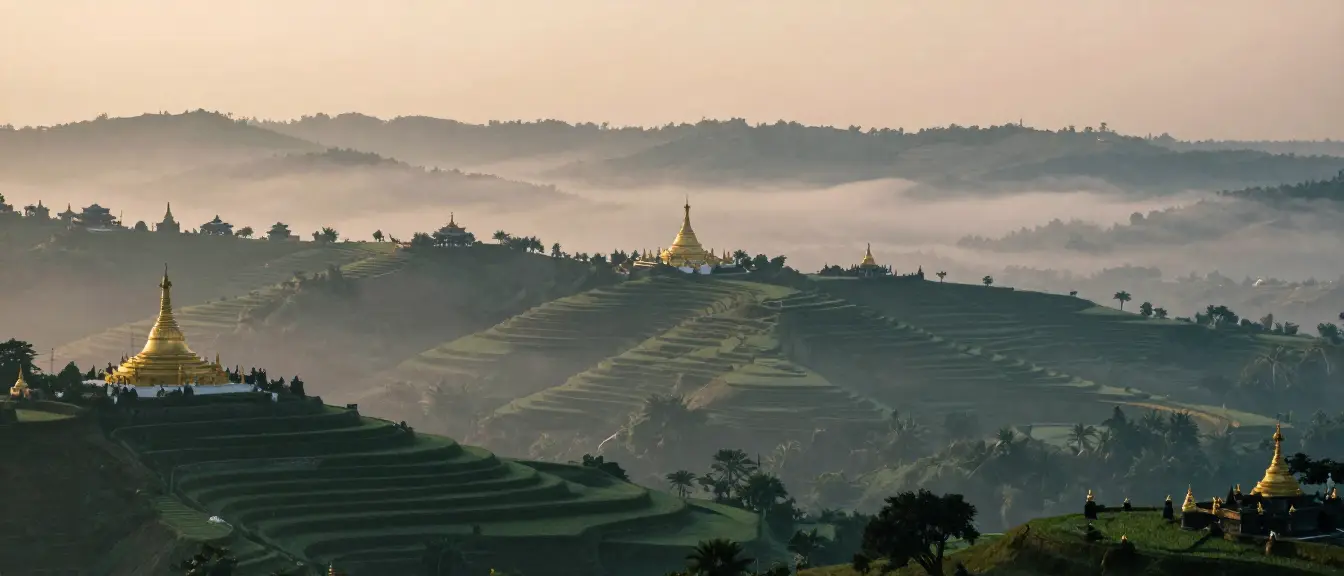
The Mogok valley in Myanmar has given rubies and red spinels grown in marble for centuries, and Burma on a lab report still sets the price of a ruby. Blue zircon comes from the basalt country of Cambodia.
Ceylon and East Africa22
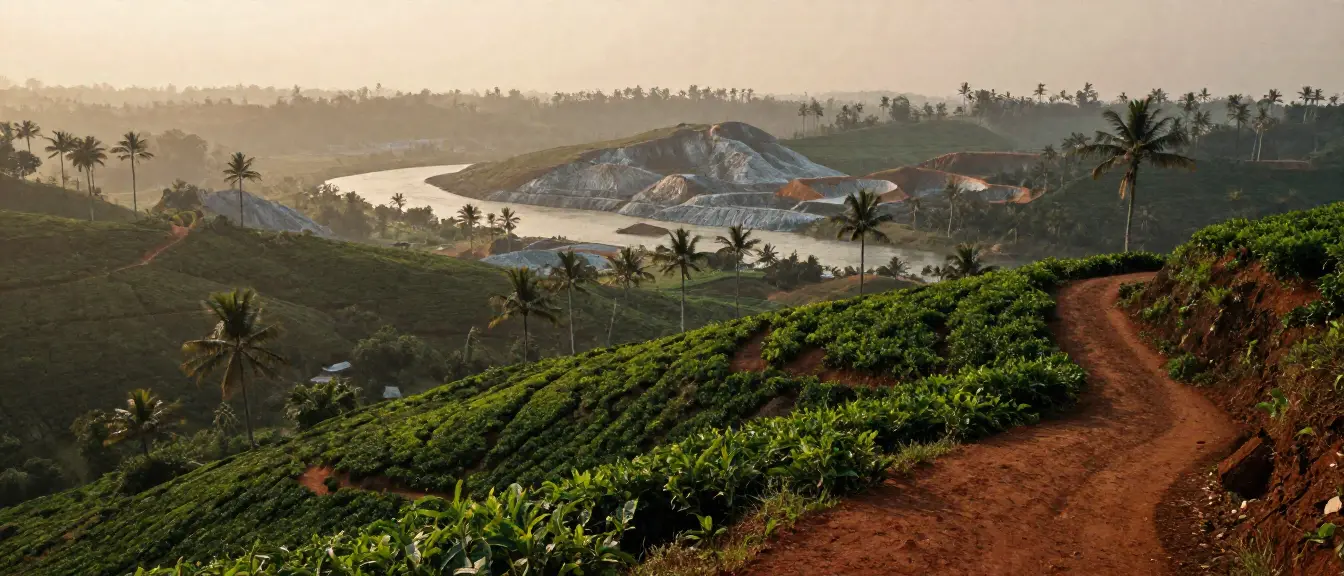
One belt of rock, folded when Gondwana came together about 600 million years ago, runs from Mozambique to Ethiopia and on through Madagascar and Sri Lanka. It feeds the gem gravels of Ceylon and the mines of Tanzania and Kenya, which is why a sapphire from Madagascar can look just like one from Sri Lanka.
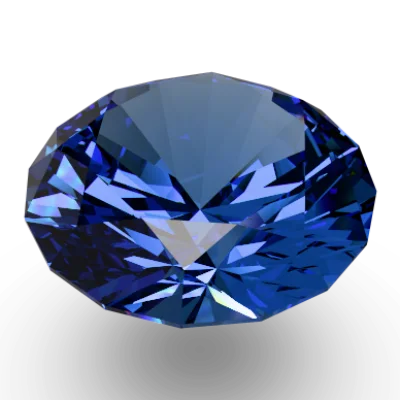 Blue sapphireSri Lanka
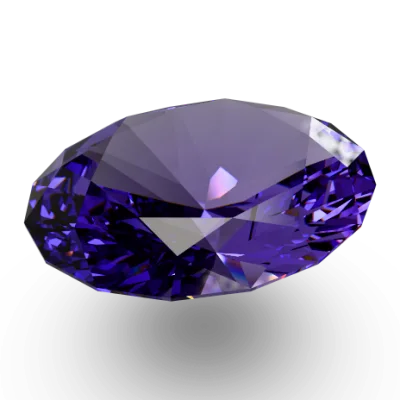 TanzaniteMerelani Hills, Tanzania
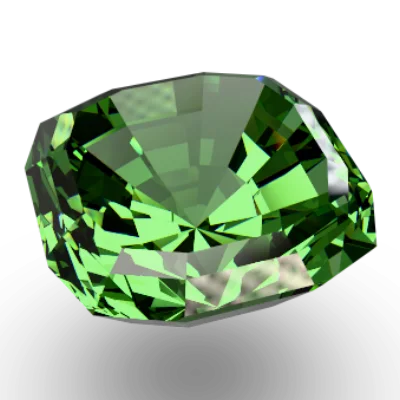 TsavoriteTsavo, Kenya
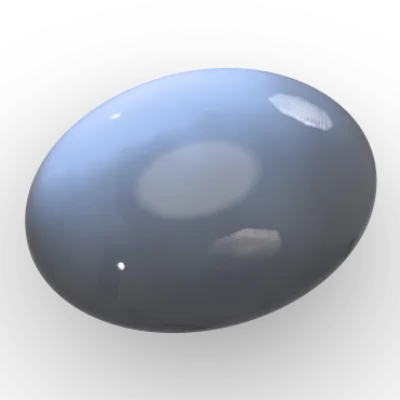 MoonstoneSri Lanka
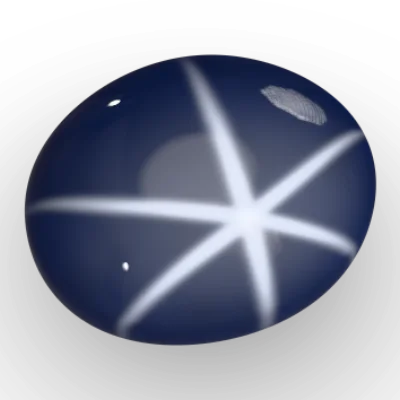 Star sapphireSri Lanka
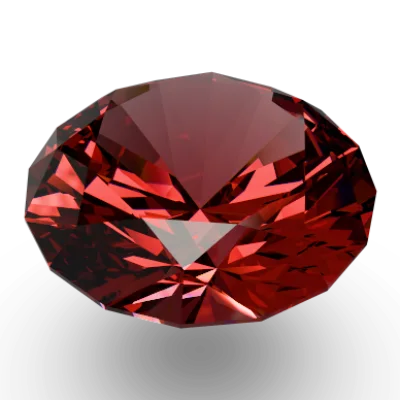 AlmandineSri Lanka
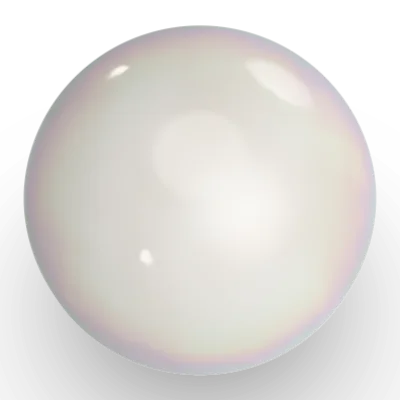 PearlGulf of Mannar, Sri Lanka and India
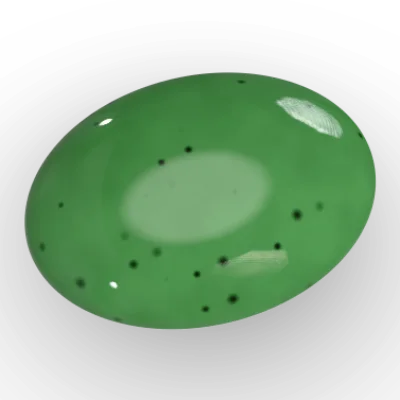 ZoisiteLongido, Tanzania
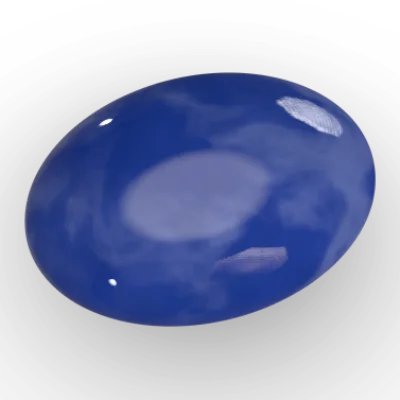 DumortieriteIndia
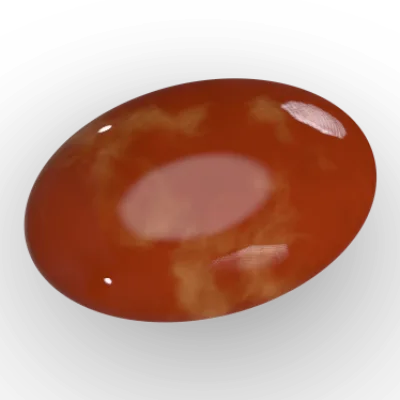 JasperIndia
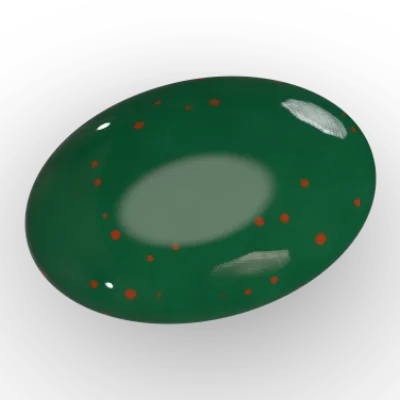 BloodstoneDeccan Traps, India
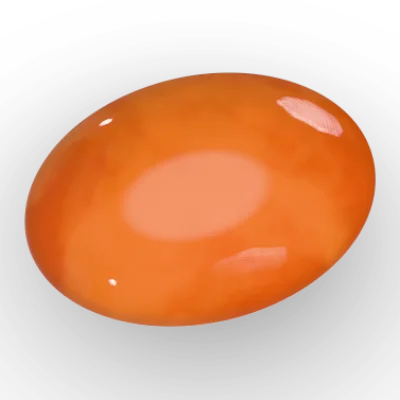 CarnelianIndia
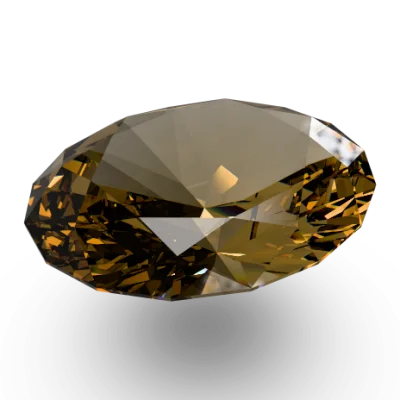 HessoniteSri Lanka
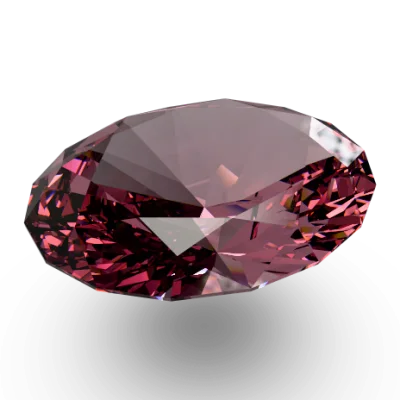 Pink sapphireSri Lanka
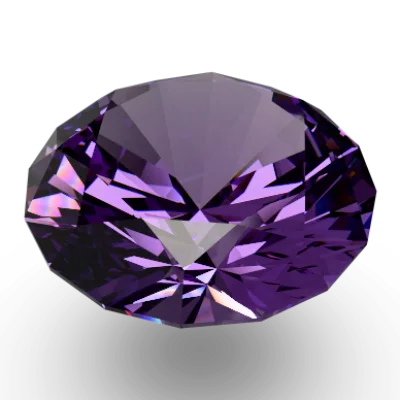 Purple sapphireUmba Valley, Tanzania
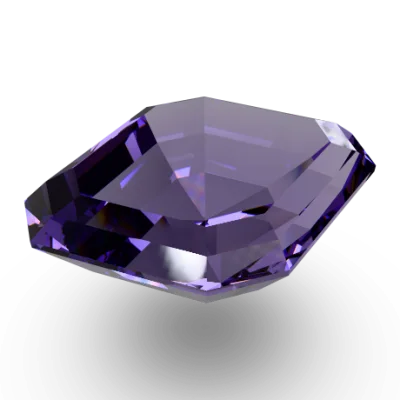 IoliteSri Lanka
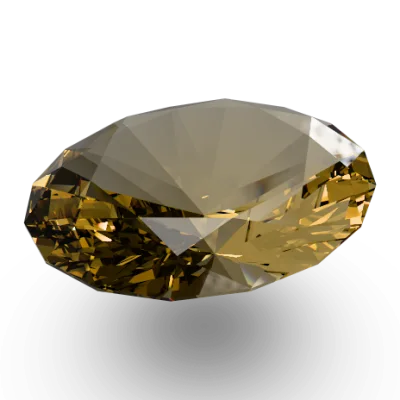 Yellow scapoliteTanzania
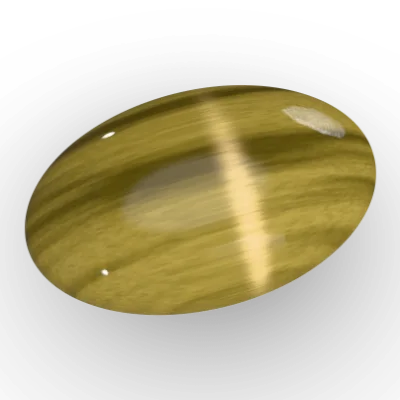 Cat's eyeSri Lanka
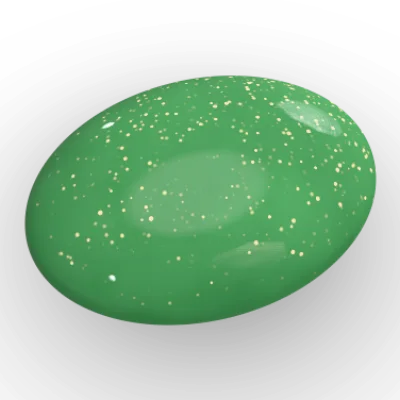 Green aventurineMysore, India
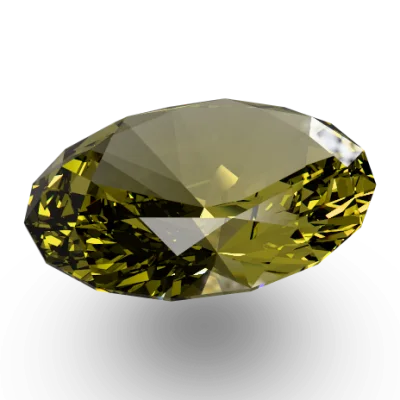 ChrysoberylSri Lanka
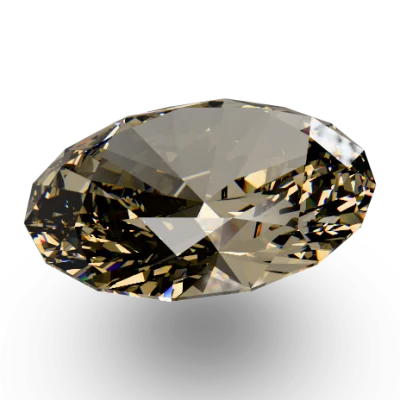 ScheeliteSri Lanka
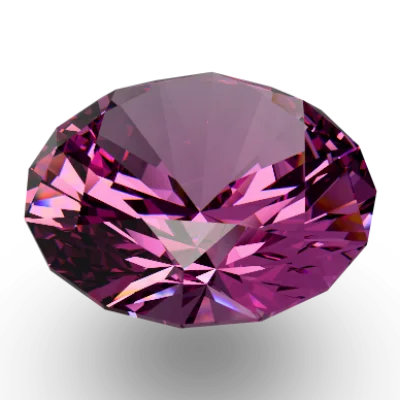 Pink spinelMahenge, Tanzania
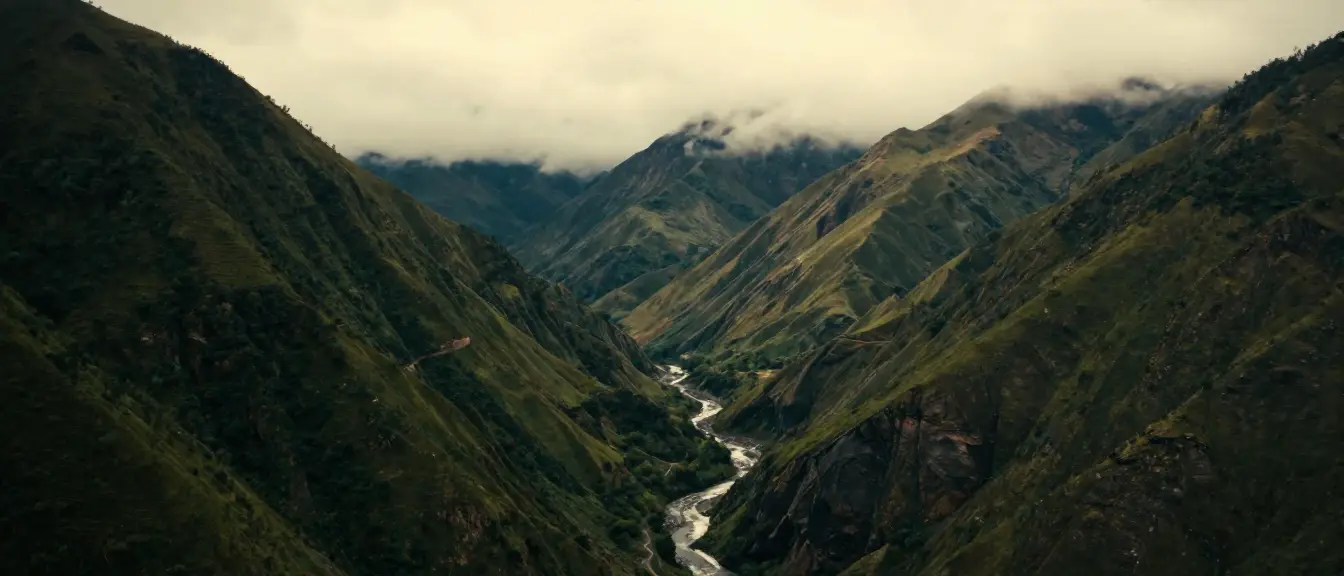
Colombia and Brazil24
Colombian emerald grows in veins through black shale and is the benchmark for the stone. The pegmatites and veins of Minas Gerais and Bahia give beryl, topaz, tourmaline and quartz, and the old lava flows of the south hold amethyst geodes.
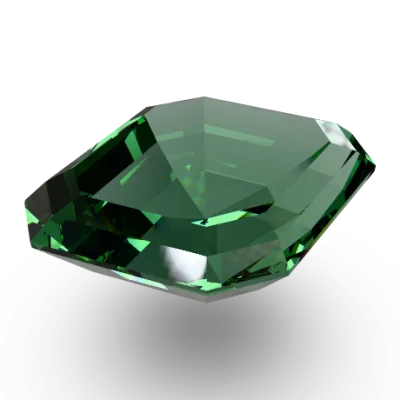 EmeraldMuzo, Colombia
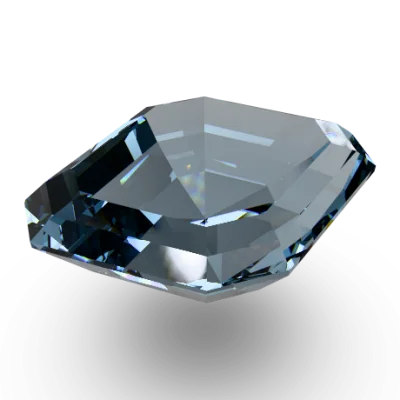 AquamarineMinas Gerais, Brazil
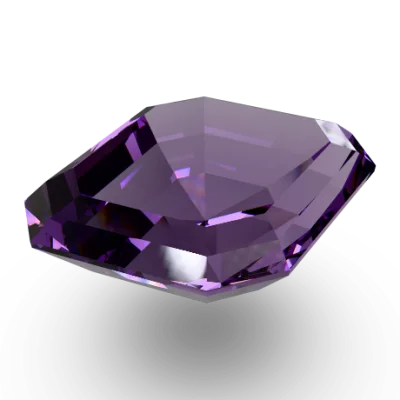 AmethystBrazil and Uruguay
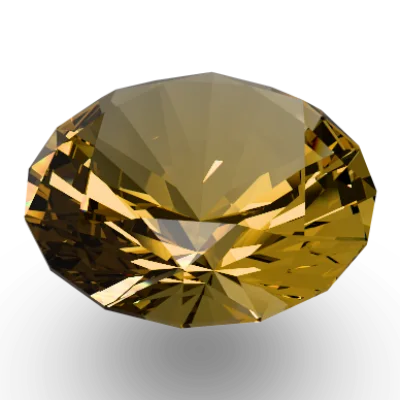 CitrineBrazil
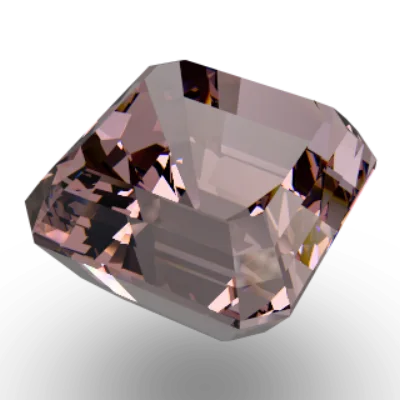 MorganiteMinas Gerais, Brazil
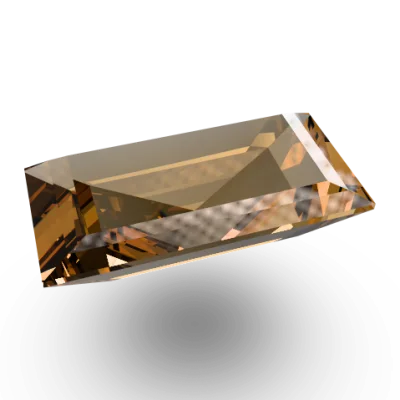 Imperial topazOuro Preto, Brazil
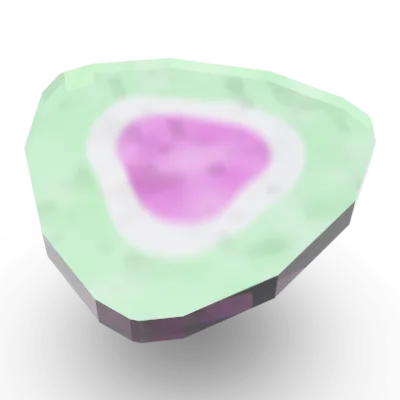 Watermelon tourmalineMinas Gerais, Brazil
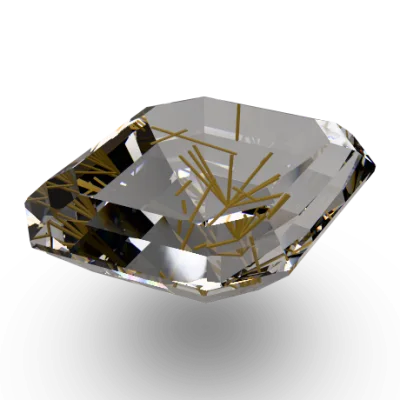 Rutilated quartzBahia, Brazil
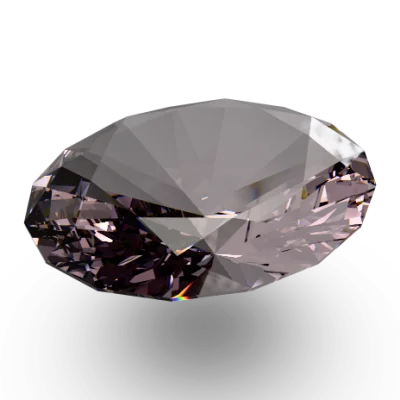 Rose quartzMinas Gerais, Brazil
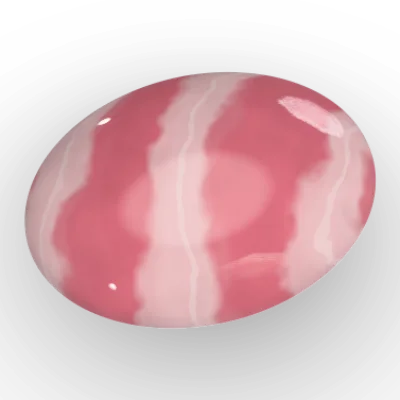 RhodochrositeCapillitas, Argentina
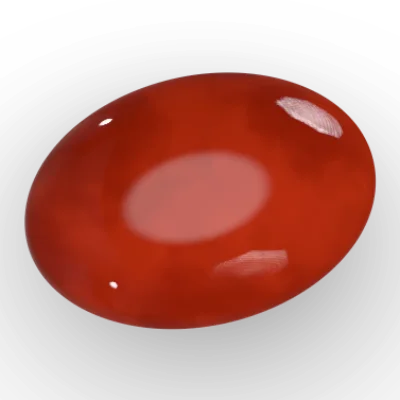 Red onyxBrazil
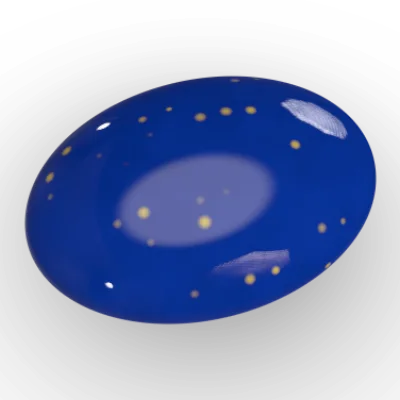 Lapis lazuliOvalle, Chile
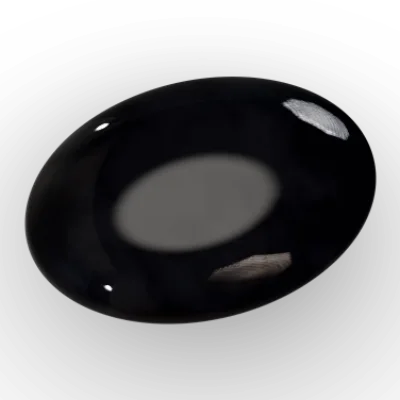 Black onyxBrazil
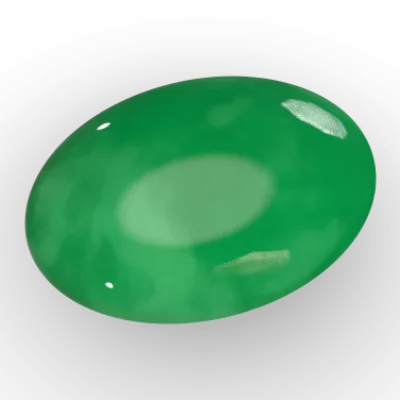 Green onyxBrazil
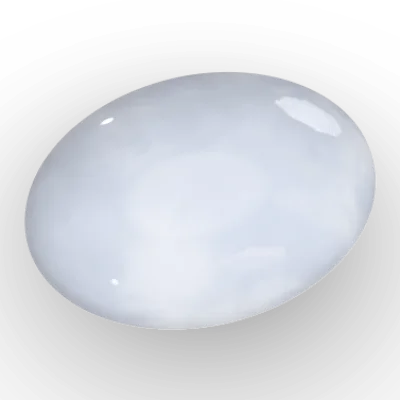 ChalcedonyBrazil
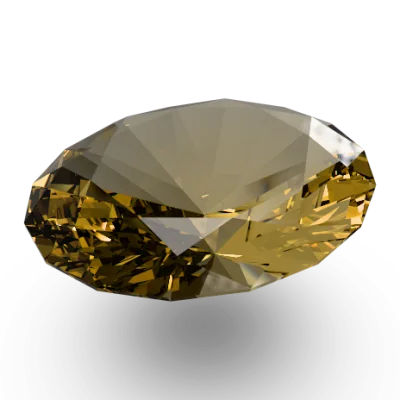 HeliodorMinas Gerais, Brazil
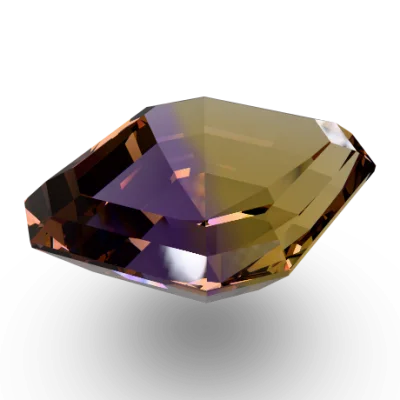 AmetrineAnahí mine, Bolivia
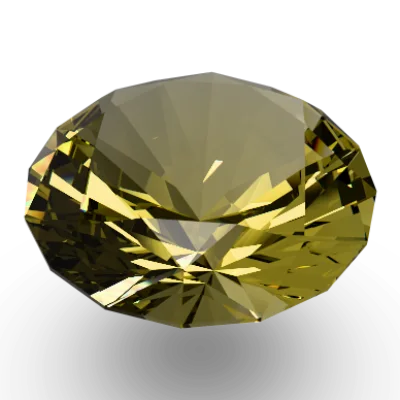 Lemon quartzBrazil
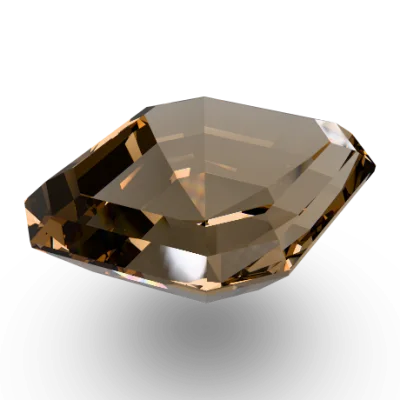 Beer quartzBrazil
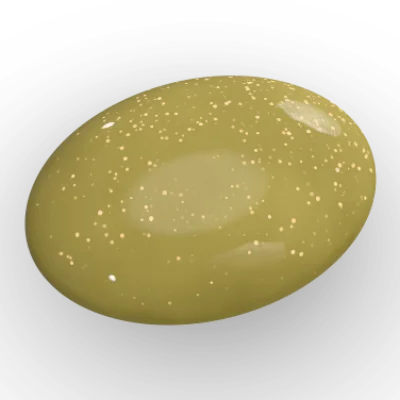 Yellow aventurineBrazil
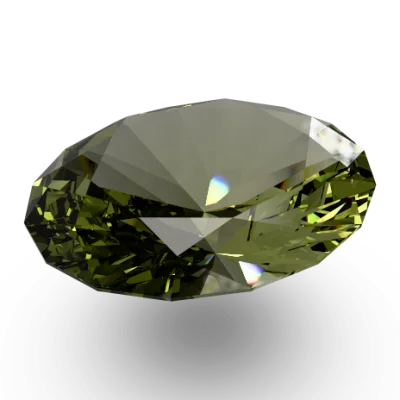 AndalusiteBrazil
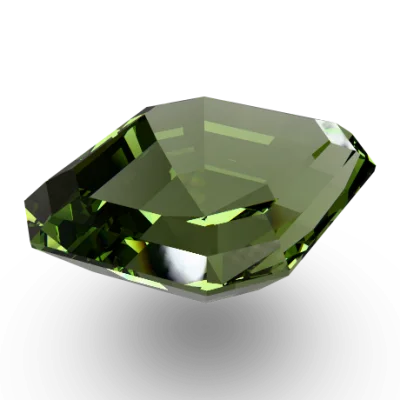 Green tourmalineMinas Gerais, Brazil
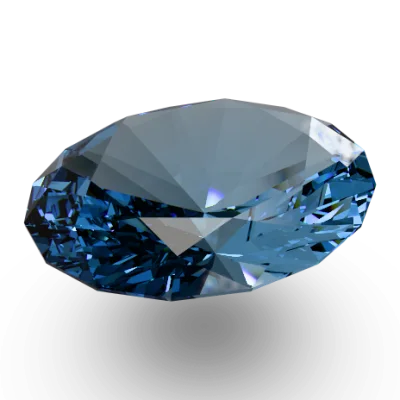 Blue topazMinas Gerais, Brazil
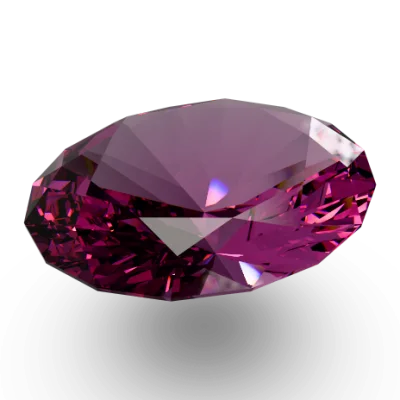 RubelliteMinas Gerais, Brazil
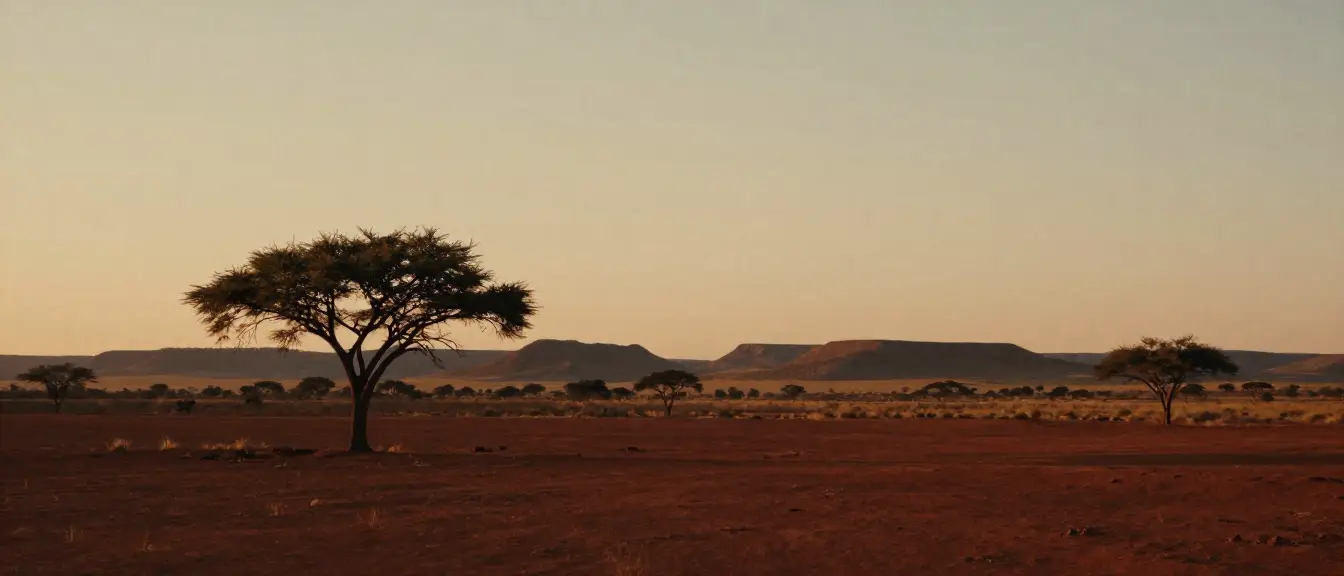
Southern Africa8
Diamonds ride up from the mantle in kimberlite pipes; the first were found in South Africa in the 1860s. Tiger's eye is quartz that took the place of blue asbestos fibers in the banded iron rocks of the Northern Cape. The Cullinan mine gives most of the rare blue diamonds.
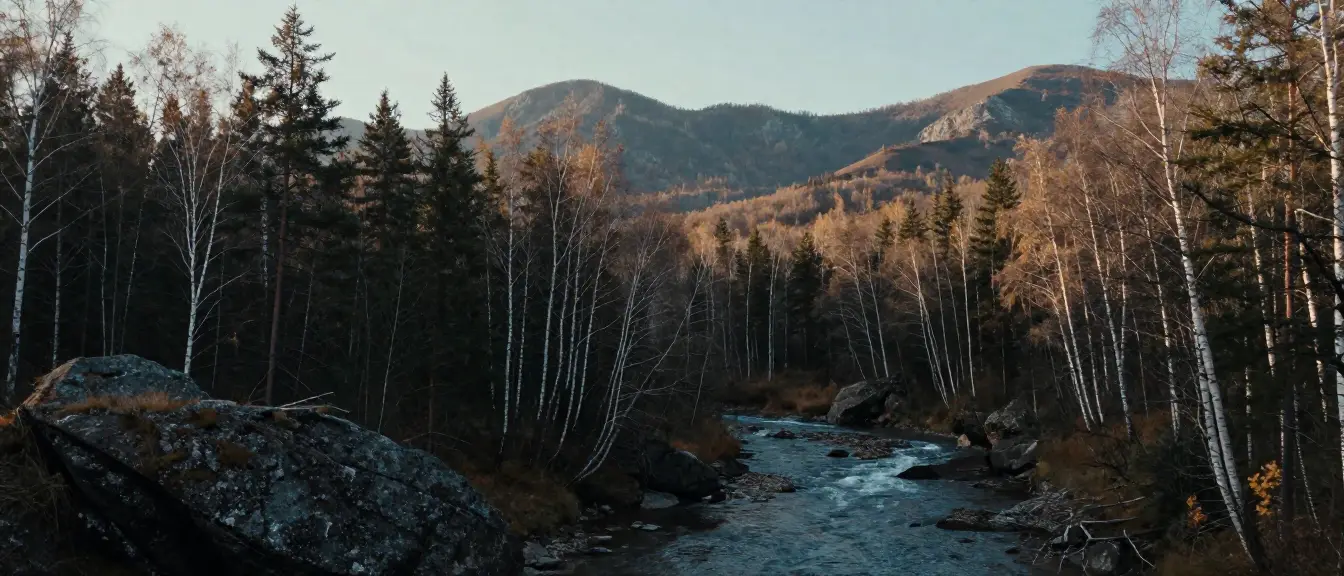
The Urals and Europe13
The Urals gave the Russian court its own gems: alexandrite, found in 1833, and demantoid in 1851. Europe keeps some of the classic localities of collector minerals, like the pyrite cubes of Navajún, English fluorite and the hyalite of Valec, which glows green under UV.
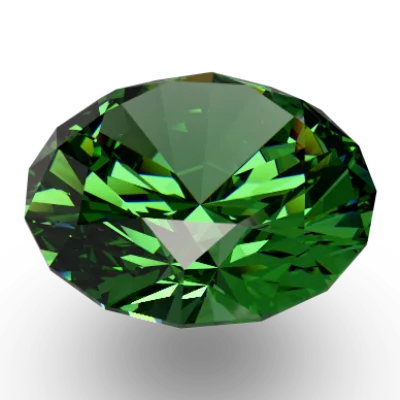 DemantoidUral Mountains, Russia
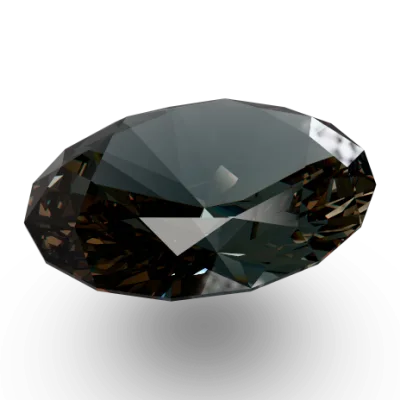 AlexandriteUral Mountains, Russia
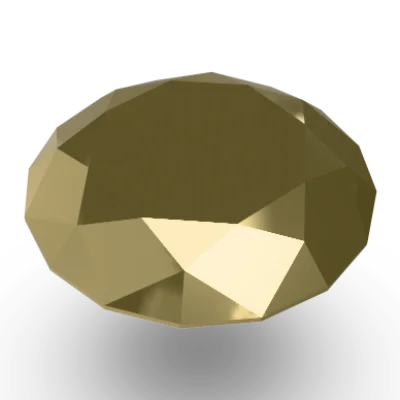 PyriteNavajún, Spain
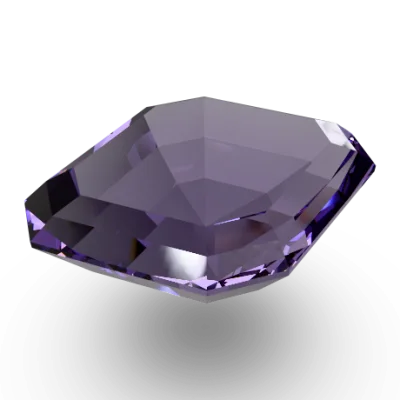 FluoriteDerbyshire, England
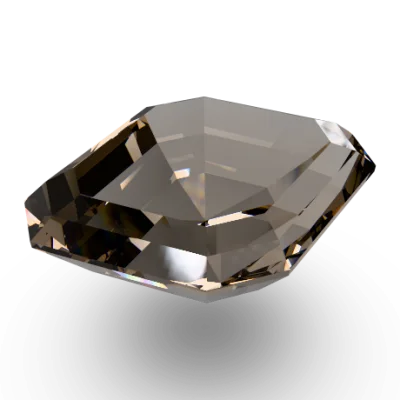 Smoky quartzCairngorm Mountains, Scotland
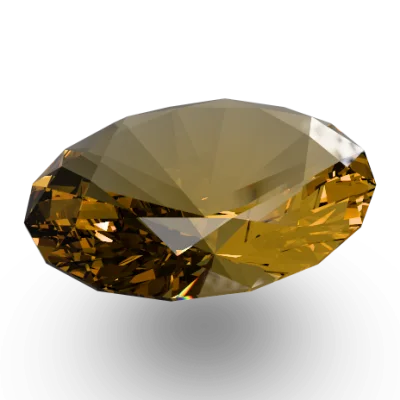 AmberYantarny, Kaliningrad, Russia
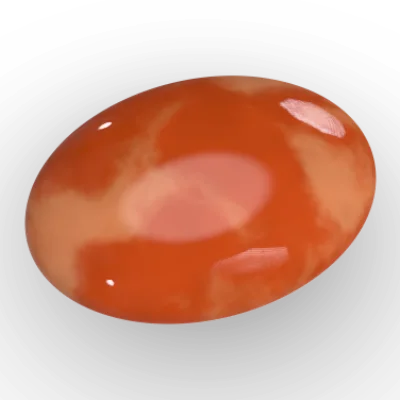 CoralTorre del Greco, Italy
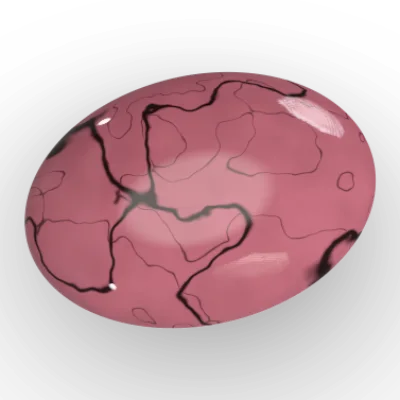 RhodoniteYekaterinburg, Urals, Russia
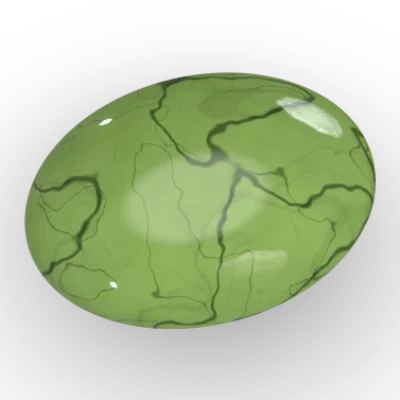 SerpentineLizard Peninsula, Cornwall, England
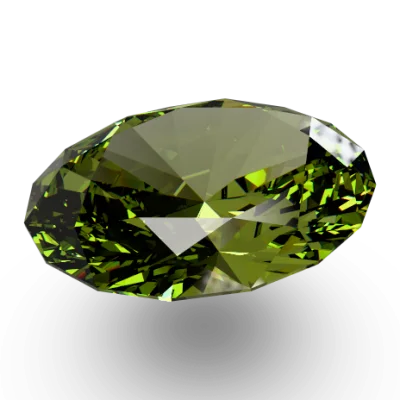 SpheneTremorgio, Switzerland
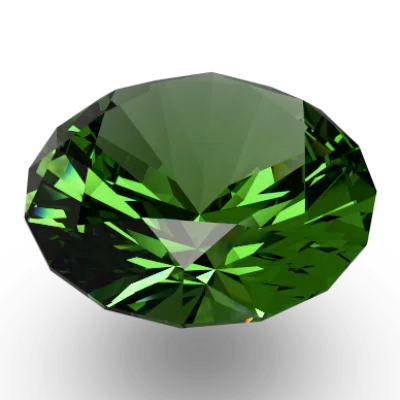 Chrome diopsideInagli, Siberia, Russia
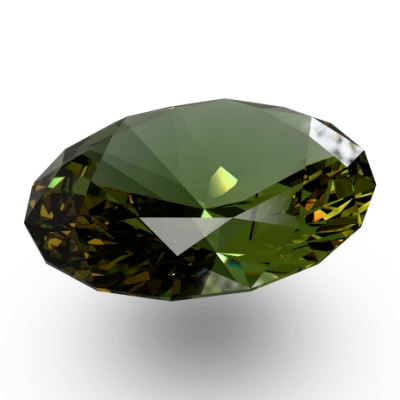 Diasporeİlbir Mountains, Turkey
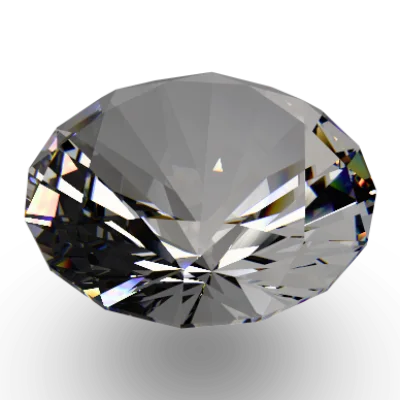 HyaliteValec, Czech Republic
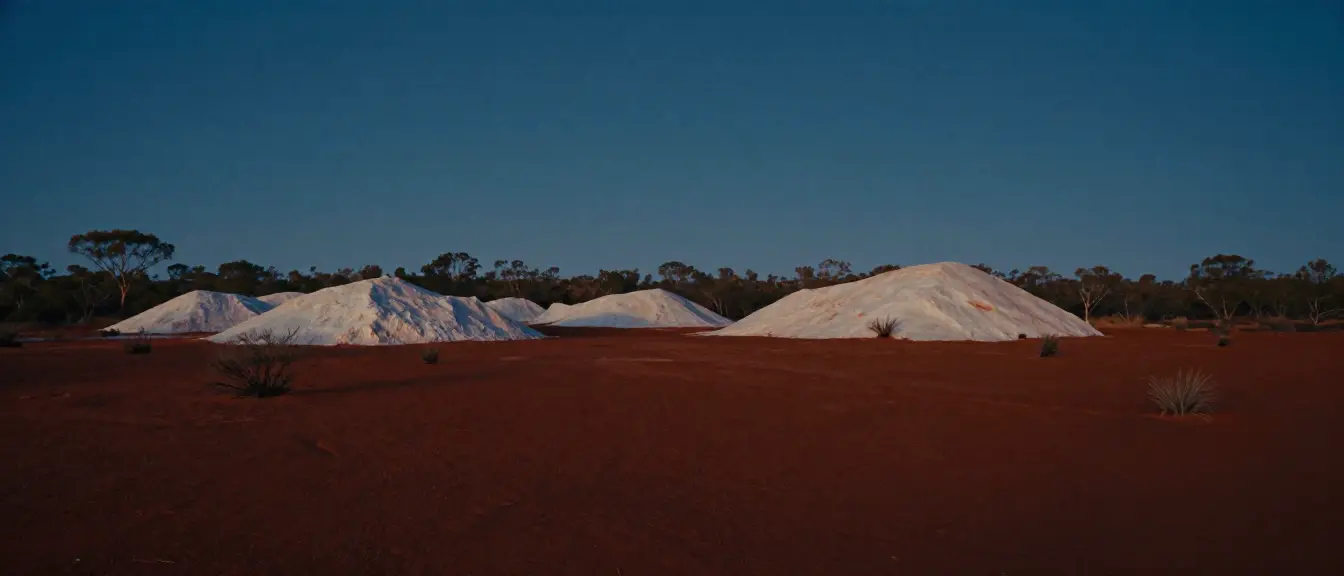
Australia7
Black opal, the most valued kind, comes from Lightning Ridge in New South Wales, formed in the sediments of an old inland sea. In Queensland, opal filled the cracks of ironstone boulders, and in the Kimberley the Argyle mine gave almost every pink diamond in the world until it closed in 2020.
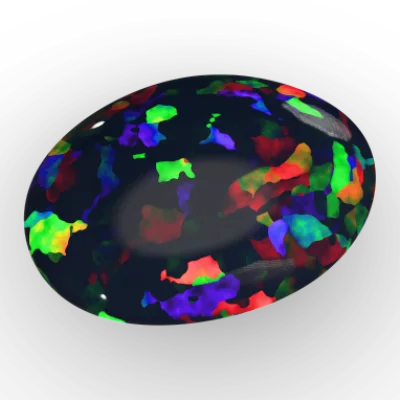 Black opalLightning Ridge, Australia
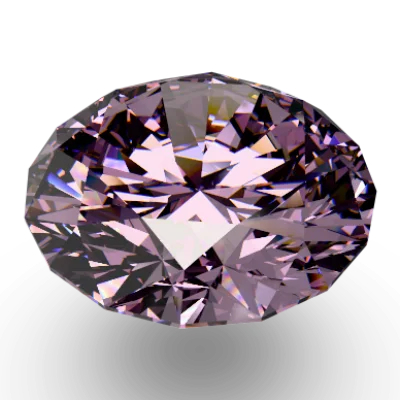 Argyle pink diamondArgyle mine, Western Australia
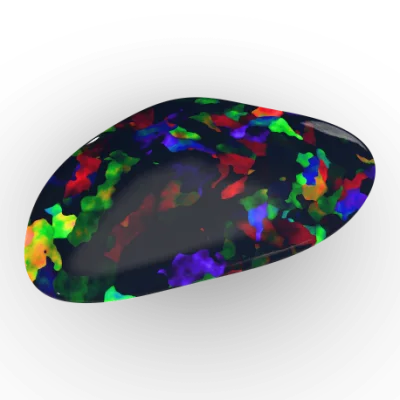 Boulder opalWinton and Quilpie, Queensland
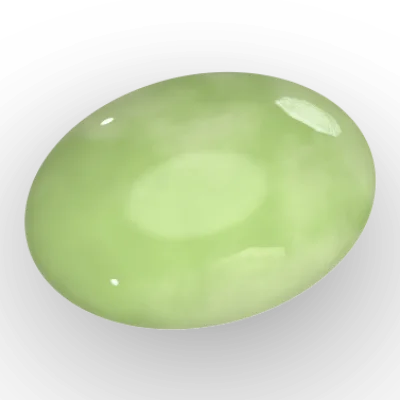 PrehniteWave Hill, Northern Territory, Australia
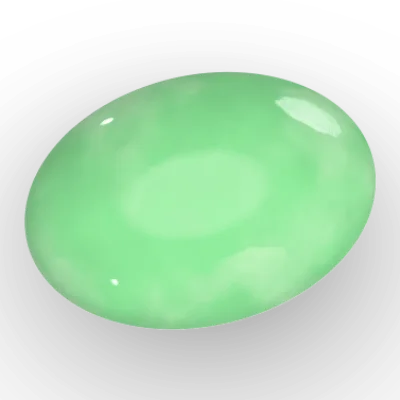 ChrysopraseQueensland, Australia
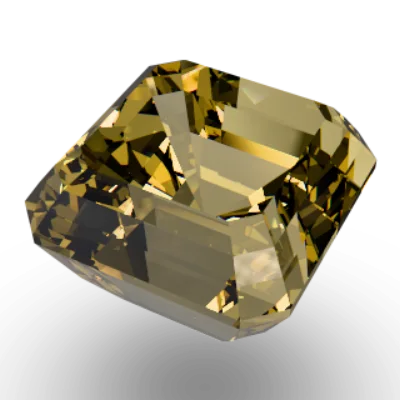 Yellow sapphireNew South Wales and Queensland, Australia
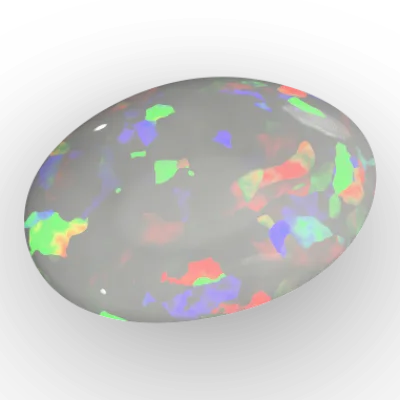 White opalCoober Pedy, South Australia
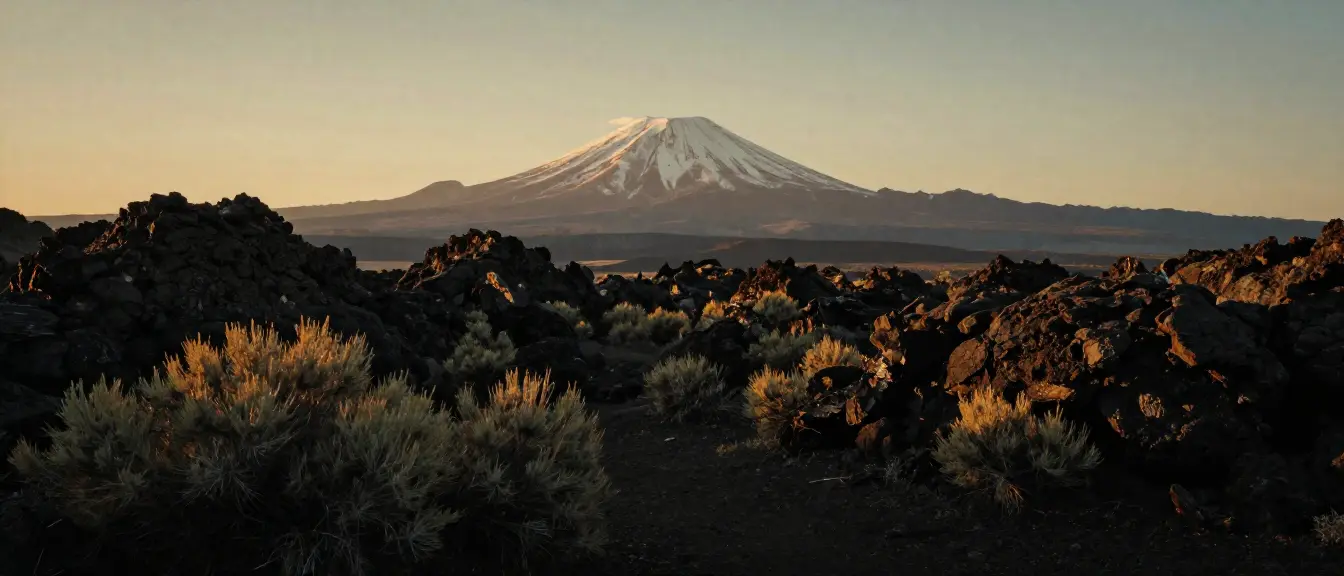
North America21
Stones from volcanic rock and old shields: peridot carried up in basalt at San Carlos, copper sunstone in Oregon lava, fire agate in Mexico, labradorite from the Canadian Shield. Kunzite comes from the pegmatites of southern California, and hackmanite, which changes color with light, from Mont Saint-Hilaire in Quebec. Two classics of fluorescence are here too: benitoite, from a single mine in California, and the willemite ore of Franklin, New Jersey.
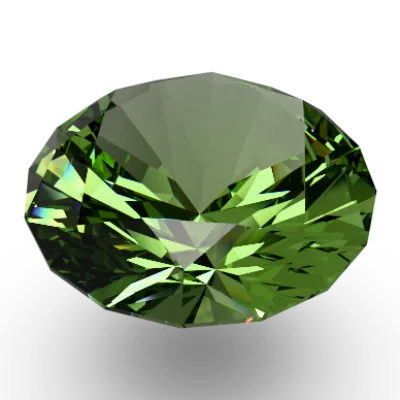 PeridotSan Carlos, Arizona
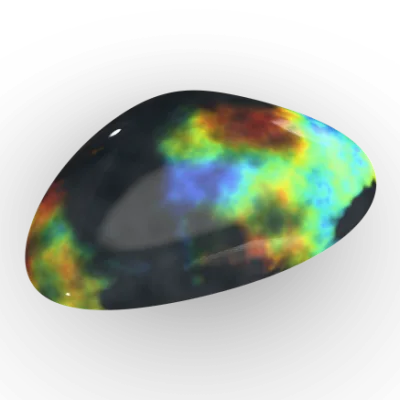 LabradoriteLabrador, Canada
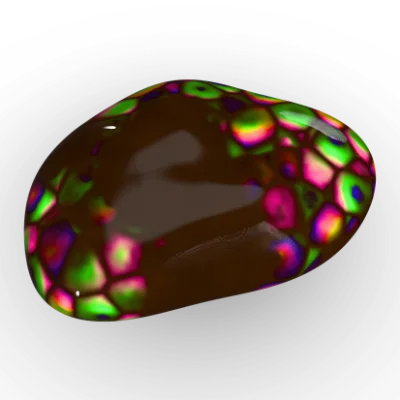 Fire agateMexico and Arizona
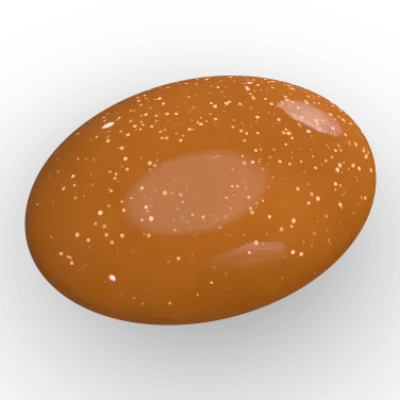 SunstoneOregon, USA
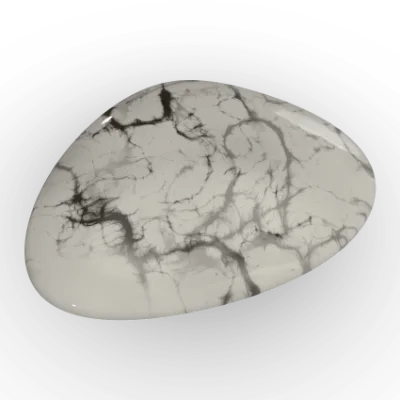 Dendritic opalWestern United States
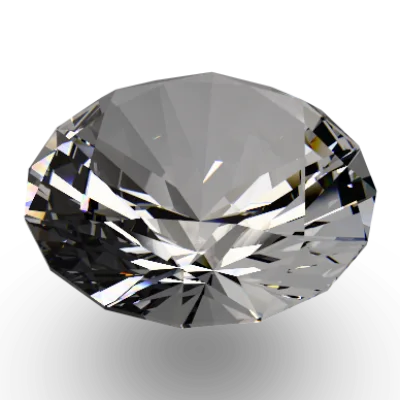 Rock crystalArkansas, USA
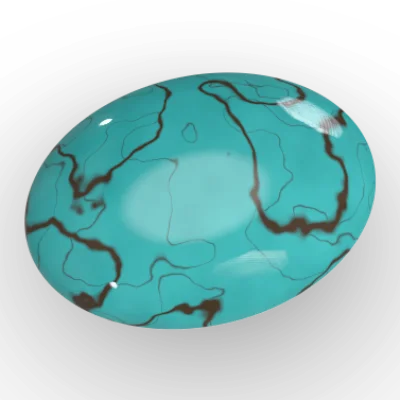 TurquoiseArizona, USA
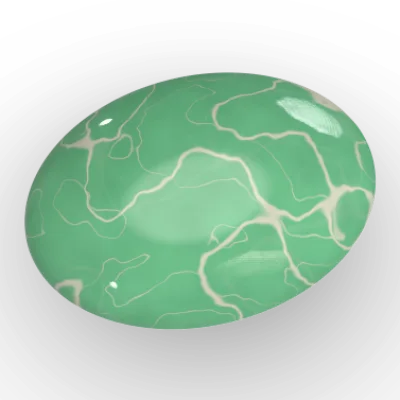 VarisciteLucin, Utah, USA
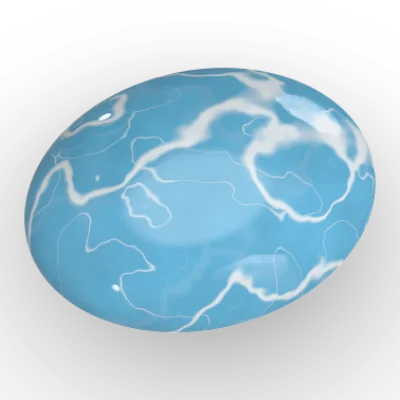 LarimarBarahona, Dominican Republic
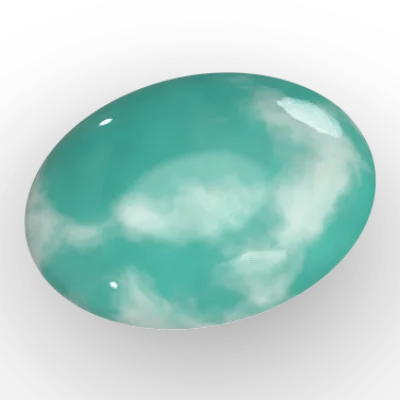 AmazonitePikes Peak, Colorado, USA
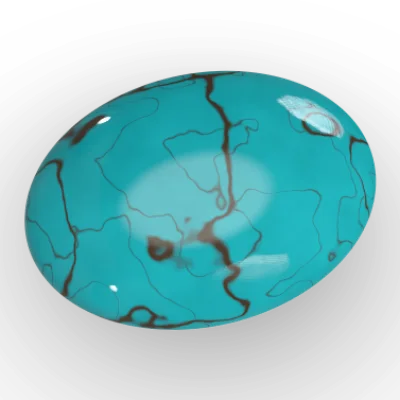 ChrysocollaGlobe, Arizona, USA
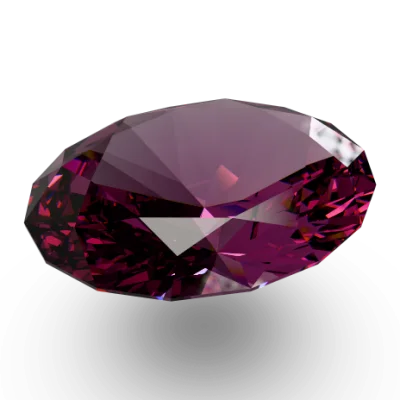 RhodoliteCowee Valley, North Carolina, USA
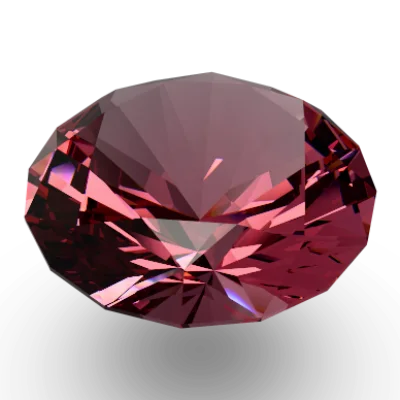 Red berylWah Wah Mountains, Utah
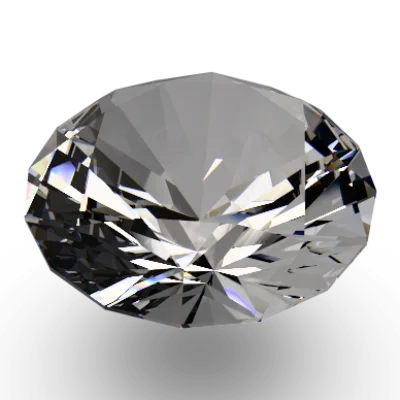 GosheniteGoshen, Massachusetts
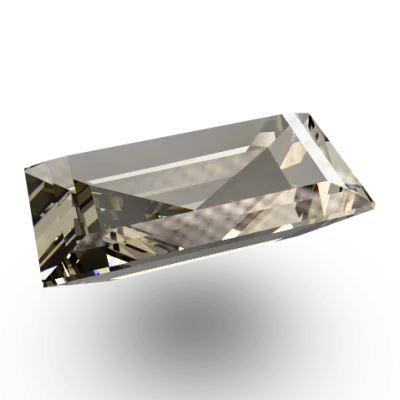 DanburiteCharcas, Mexico
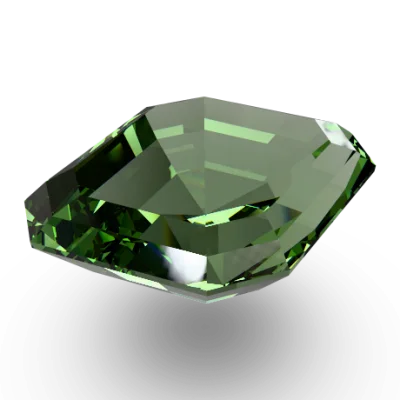 HiddeniteHiddenite, North Carolina, USA
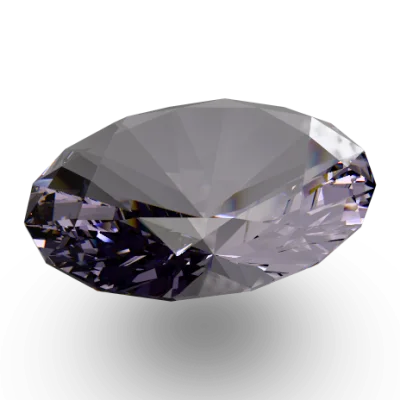 HackmaniteMont Saint-Hilaire, Quebec
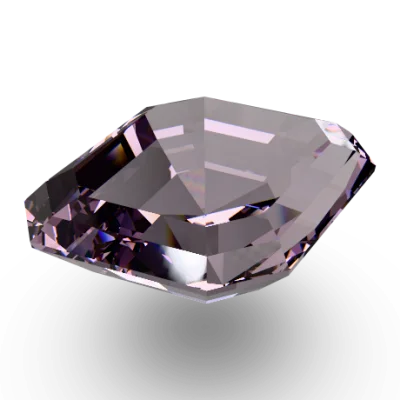 KunziteSan Diego County, California
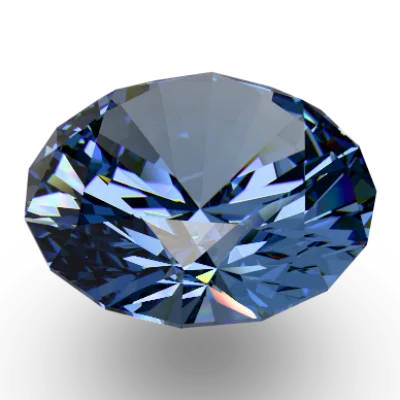 BenitoiteSan Benito County, California
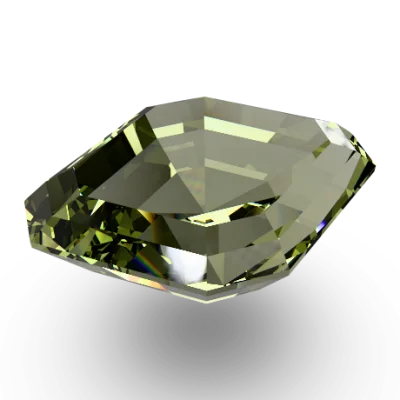 WillemiteFranklin, New Jersey
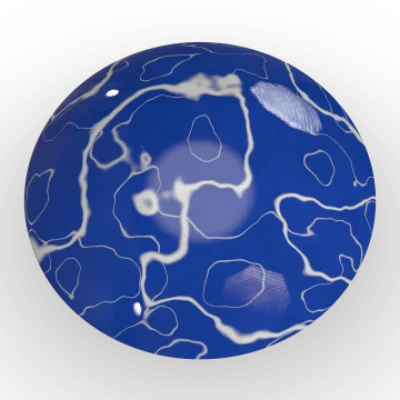 SodaliteBancroft, Ontario
Made in a lab3
Stones made, not mined. Flame fusion ruby, from 1902, was the first; lab grown diamond is the same carbon crystal grown in weeks; and moissanite exists in nature only as microscopic grains, so every gem of it is grown. None has a provenance, and a lab report says so.